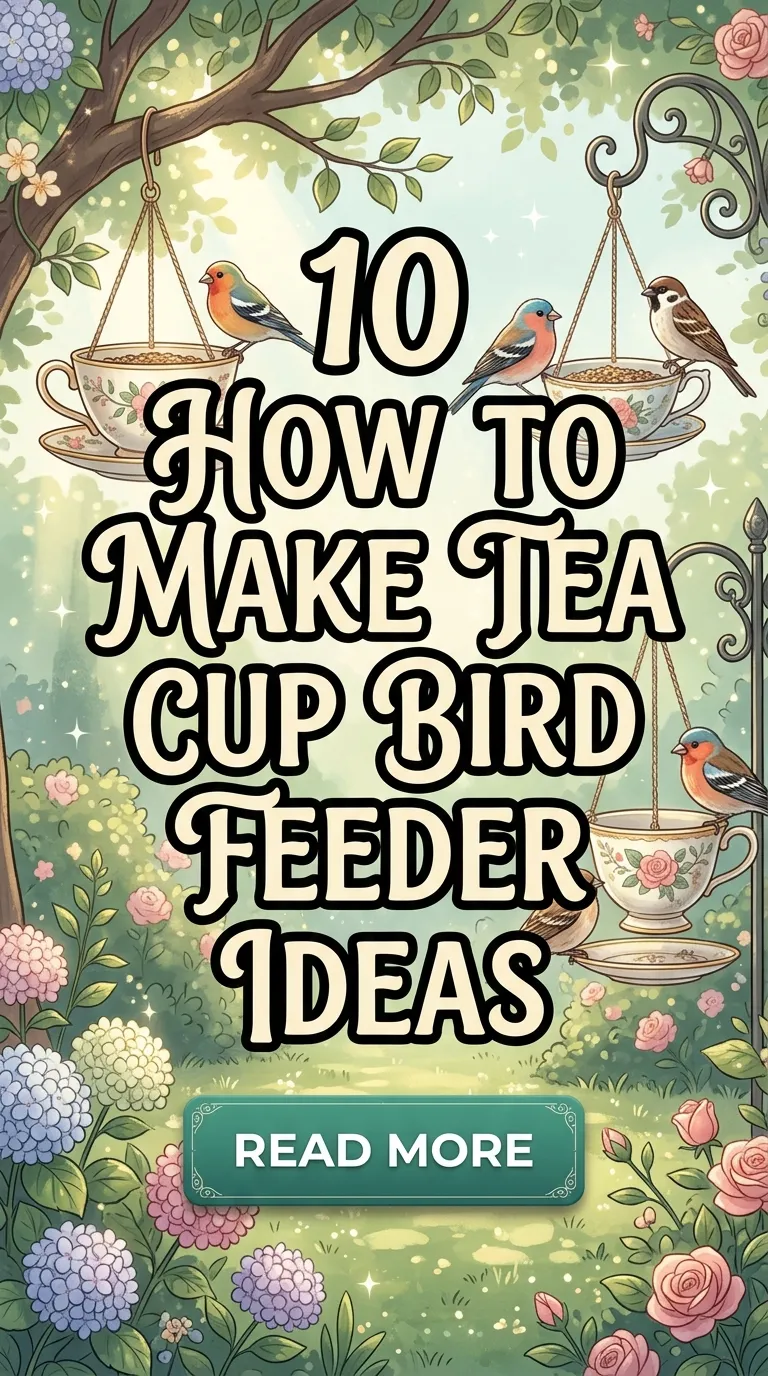
10 Bird Feeder Made With Tea Cup Ideas
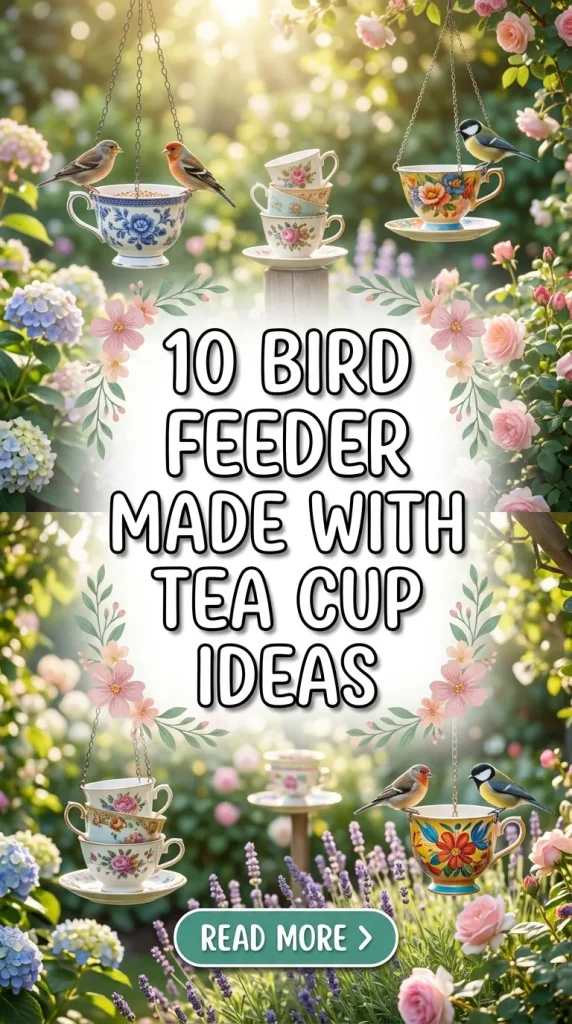
Creating a bird feeder from an old teacup is a creative project that combines practical garden decoration with sustainable DIY crafting. Instead of discarding mismatched or vintage cups, they can be transformed into attractive feeding stations that welcome songbirds while adding charm to outdoor spaces. These projects are popular across Pinterest because they blend handmade creativity with functional home decor ideas suitable for gardens, balconies, patios, and small yards. This article introduces ten unique bird feeder ideas made with teacups, each designed to be beginner friendly and achievable using simple materials and careful planning. Readers will learn how to prepare materials, assemble different feeder styles, display them effectively, and avoid common mistakes. Whether decorating a cottage-style garden or adding a minimalist accent to a modern outdoor area, these projects offer creative inspiration for every skill level.
Why This Idea Is Trending or Useful
Tea cup bird feeders have become popular because they encourage recycling while creating attractive outdoor decorations that serve a practical purpose. Pinterest users appreciate projects that combine beauty with everyday functionality, making these feeders ideal examples of creative ideas that anyone can complete at home. They fit well into cottage gardens, farmhouse landscapes, minimalist patios, and colorful backyard spaces without requiring expensive tools or specialized skills. Many of the designs can be completed in a single afternoon, making them excellent weekend DIY tutorials for beginners. Their small size also makes them suitable for apartments with balconies or compact outdoor areas. Because every teacup has unique patterns, colors, and shapes, each finished feeder becomes a personalized handmade decoration that attracts birds while adding character and visual interest to the surrounding environment.
Materials and Preparation
Successful tea cup bird feeders begin with careful preparation and thoughtful material selection. Gather a sturdy teacup, matching saucer if desired, waterproof adhesive suitable for outdoor use, twine or chain for hanging, birdseed, cleaning cloths, and protective gloves. Depending on the chosen design, additional materials may include wooden dowels, metal hooks, decorative beads, or weather-resistant paint. Wash every piece thoroughly to remove dust or grease before assembly, allowing the adhesive to bond securely. Plan where the finished feeder will hang or stand by considering bird safety, visibility, weather exposure, and convenient access for refilling. Preparing all materials before starting helps the creative project progress smoothly while reducing interruptions. Careful planning also ensures the finished bird feeder remains balanced, durable, and attractive throughout different seasons.
Idea 1: Classic Sideways Hanging Teacup Feeder
How to Create
Position a teacup on its side and securely attach it to the matching saucer using a waterproof outdoor adhesive. Allow the adhesive to cure completely according to the manufacturer’s instructions before handling the feeder. Once dry, attach strong chain or weather-resistant rope to three evenly spaced points around the saucer so the feeder hangs level. Fill the saucer with birdseed while allowing additional seed to collect naturally inside the tilted cup, creating an attractive layered display. Hang the finished feeder beneath a tree branch or pergola where birds can comfortably perch nearby. Choose a location with partial shade to keep seed fresher for longer and reduce moisture buildup. This classic design works beautifully in cottage gardens and provides a balanced combination of functionality, aesthetic appeal, and beginner friendly construction using simple materials available in many households.
Idea 2: Rustic Rope Suspended Tea Cup Feeder
How to Make
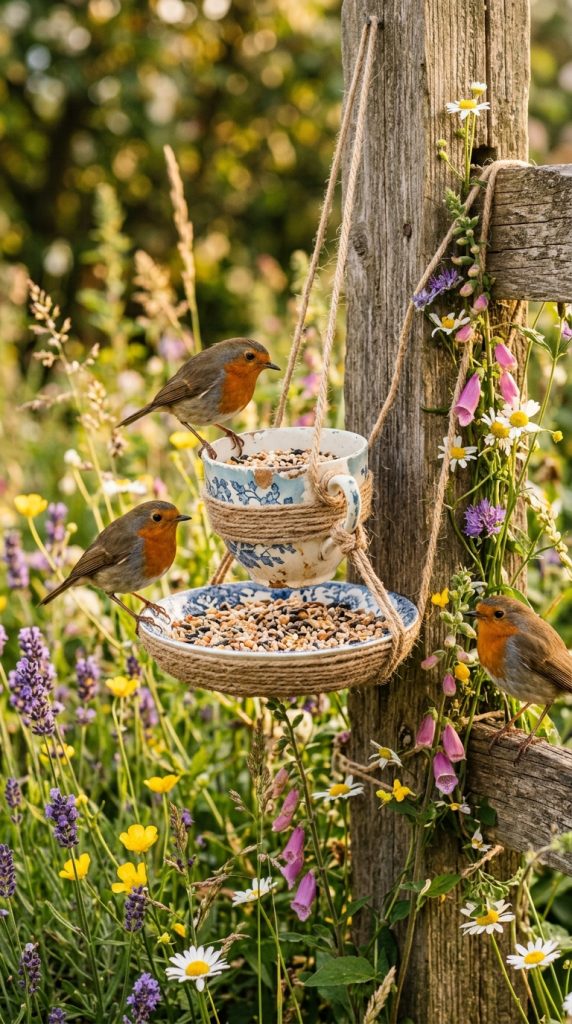
A rustic hanging feeder creates a natural appearance that blends well with woodland gardens and relaxed outdoor settings. Wrap thick jute rope securely around the saucer and beneath the teacup, creating a supportive net that holds both pieces together without drilling through the ceramic. Tie decorative knots that also strengthen the structure while adding handmade character. Extend the rope upward into a hanging loop for easy installation on branches or shepherd hooks. Fill the saucer with mixed birdseed and occasionally add dried berries suitable for local bird species. The rope introduces texture that complements weathered fences, wooden decks, and natural landscaping. Inspect the knots regularly to ensure they remain secure after exposure to rain and sunlight. This easy project combines organization, sustainability, and rustic decoration into an attractive outdoor feature.
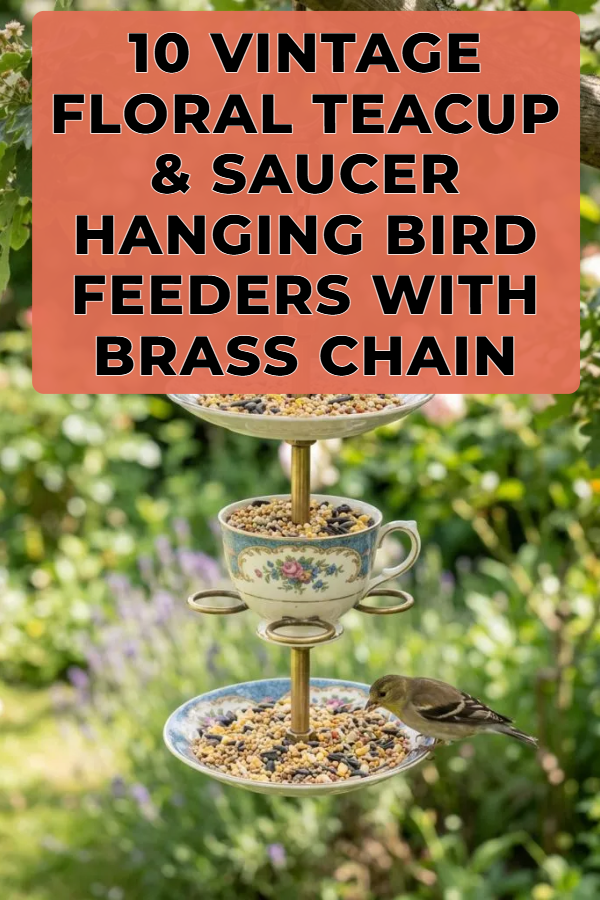
Idea 3: Vintage Floral Garden Feeder
Step-by-Step Guide
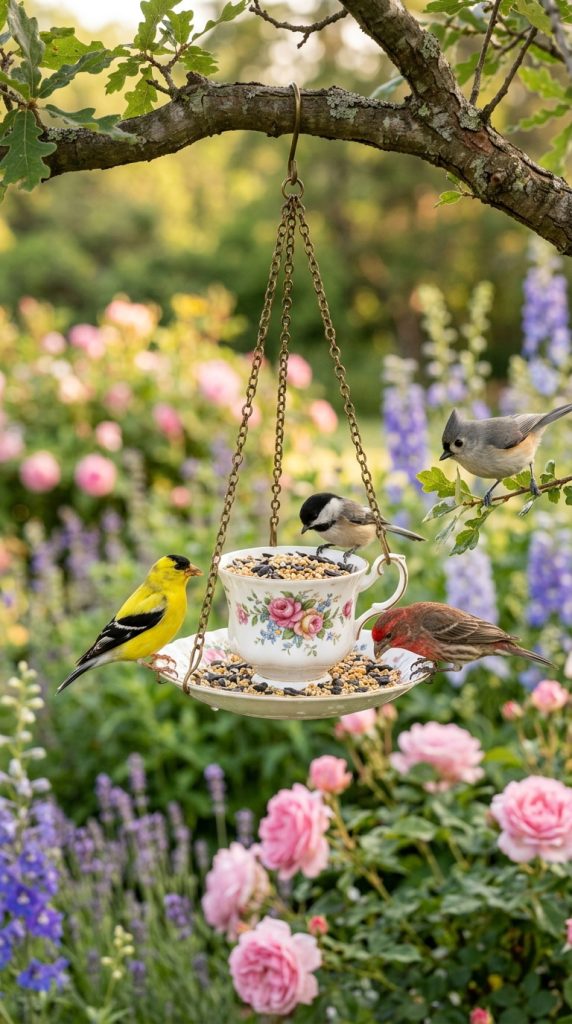
Choose a teacup with delicate floral patterns or decorative vintage details to create an elegant bird feeder that complements blooming gardens. Attach the cup at a slight angle to a decorative saucer using weatherproof adhesive and allow sufficient drying time before installation. Suspend the feeder using antique-style chain or thin metal wire to reinforce the vintage appearance. Position the feeder among flowering shrubs where birds feel protected while colorful blossoms frame the design naturally. Keep nearby plants trimmed enough to allow birds easy access while maintaining visual balance. Refill the feeder regularly with clean seed and gently wipe away accumulated debris to preserve its attractive appearance. This creative project transforms forgotten china into a timeless garden accent that combines Pinterest inspiration with practical wildlife support and graceful outdoor decoration suitable for traditional landscapes.
Idea 4: Wooden Post Tea Cup Bird Station
Setup Method
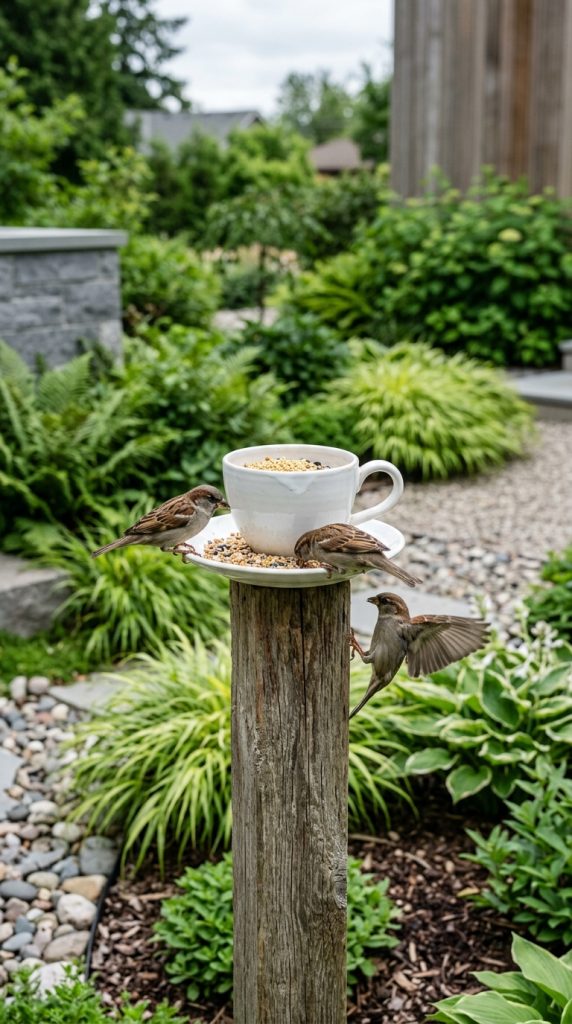
Instead of hanging the feeder, mount the saucer securely onto the top of a wooden post placed firmly in the ground or inside a large planter. Attach the teacup sideways onto the saucer so seed naturally flows toward the feeding surface. Sand and seal the wooden post with weather-resistant protection to increase durability outdoors. Install the finished station near shrubs or small trees that provide birds with nearby shelter while keeping the feeder visible from windows or seating areas. This freestanding design offers stability during windy weather and allows easy access for cleaning and refilling. Decorative stones or flowering plants placed around the base create a coordinated garden display. The project combines practical planning with creative home decor ideas that enhance both wildlife activity and landscape organization.
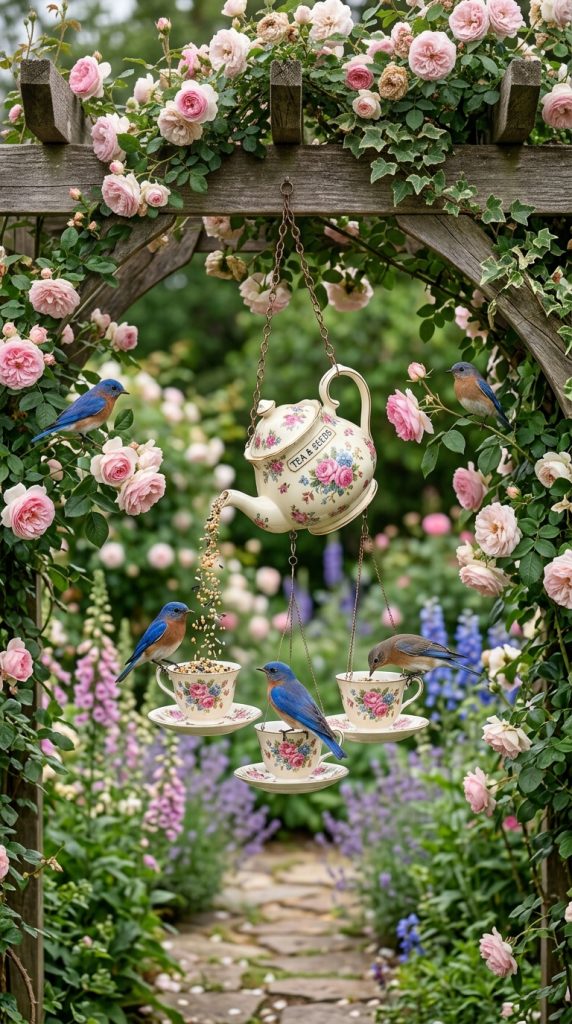
Idea 5: Double Tea Cup Feeding Display
Execution Process
Create additional feeding space by attaching two matching teacups to opposite sides of a large saucer or decorative plate. Position each cup at similar angles to maintain visual balance while allowing seed to collect naturally around the center. Install three hanging chains attached evenly around the plate to distribute weight safely. This arrangement allows multiple birds to feed simultaneously without crowding, making it suitable for active backyard environments. Select complementary teacups featuring coordinated colors or patterns for a harmonious aesthetic. Periodically rotate the feeder while cleaning so both feeding areas experience equal wear over time. This design expands the functionality of a traditional tea cup feeder while creating a striking centerpiece that reflects thoughtful planning and creative inspiration for larger outdoor spaces.
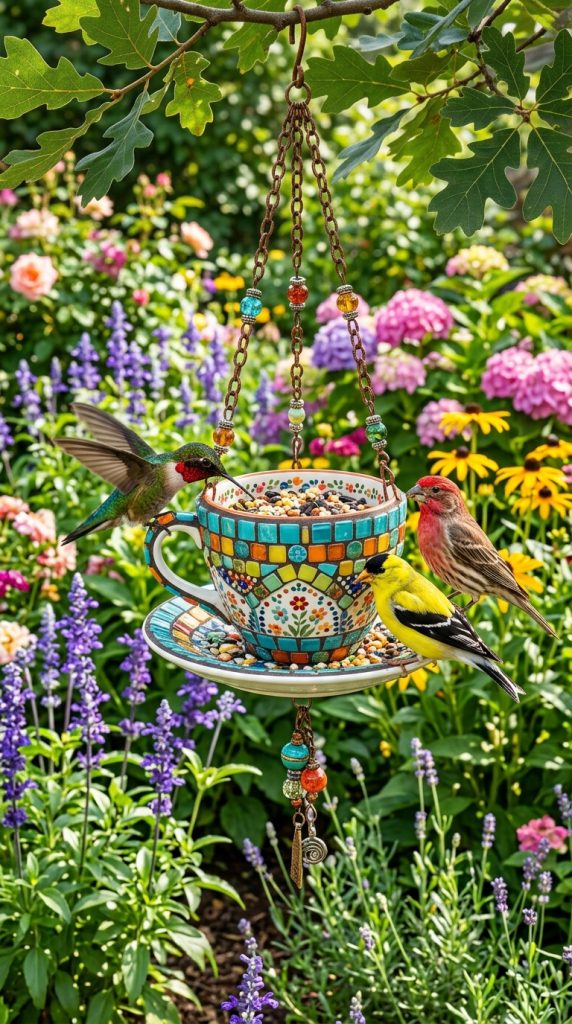
Idea 6: Mosaic Decorated Tea Cup Feeder
How to Create
Transform a plain teacup into an artistic feeder by decorating the exterior with small mosaic tiles, colorful glass pieces, or ceramic fragments secured using waterproof adhesive. After the adhesive cures, apply outdoor grout to stabilize the decorative surface while protecting gaps from moisture. Avoid placing decorations inside areas where birds will eat to maintain cleanliness and safety. Attach the completed cup to its saucer before adding hanging hardware or mounting it onto a stand. The finished mosaic catches sunlight beautifully, creating an eye-catching focal point in gardens throughout the day. Select coordinated colors that complement surrounding flowers, patio furniture, or garden ornaments for a cohesive appearance. This handmade decoration demonstrates how artistic creativity and practical design can combine in one enjoyable DIY tutorial.
Idea 7: Minimalist White Tea Cup Feeder
How to Make
A simple white porcelain teacup creates a clean, modern design suitable for contemporary gardens and minimalist outdoor spaces. Secure the cup to a plain white saucer with waterproof adhesive, keeping decorative additions to a minimum so the elegant silhouette remains the main feature. Suspend the feeder using thin stainless steel wire or simple chain to preserve its uncluttered appearance. Install it against green foliage or wooden fences where the white ceramic stands out naturally. Keep surrounding decorations understated to maintain visual harmony throughout the outdoor space. Refill the feeder frequently with fresh seed while wiping away dirt to preserve the crisp finish. This beginner friendly project demonstrates that modern design often depends on careful planning, balanced proportions, and thoughtful simplicity rather than excessive ornamentation.
Idea 8: Painted Seasonal Tea Cup Feeder
Step-by-Step Guide
Customize a basic teacup using weather-resistant outdoor paint inspired by seasonal colors or garden themes. Soft pastels work well during spring, bright floral shades suit summer, warm earth tones complement autumn, and cool neutrals fit winter landscapes. After painting, seal the surface with a protective outdoor coating suitable for ceramic materials before assembling the feeder. Attach the finished cup securely to its saucer and hang it in a location that highlights the chosen color palette. Coordinating the feeder with seasonal flowers, wreaths, or patio decorations creates a continually refreshed outdoor display throughout the year. This easy project encourages creativity while allowing homeowners to update their garden decoration without replacing the entire feeder, making it both economical and visually engaging.
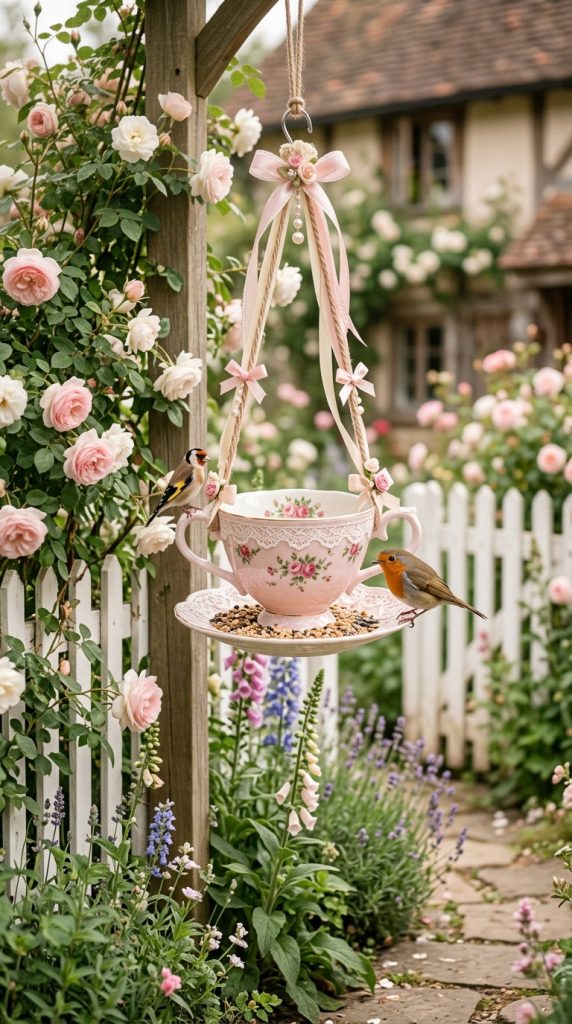
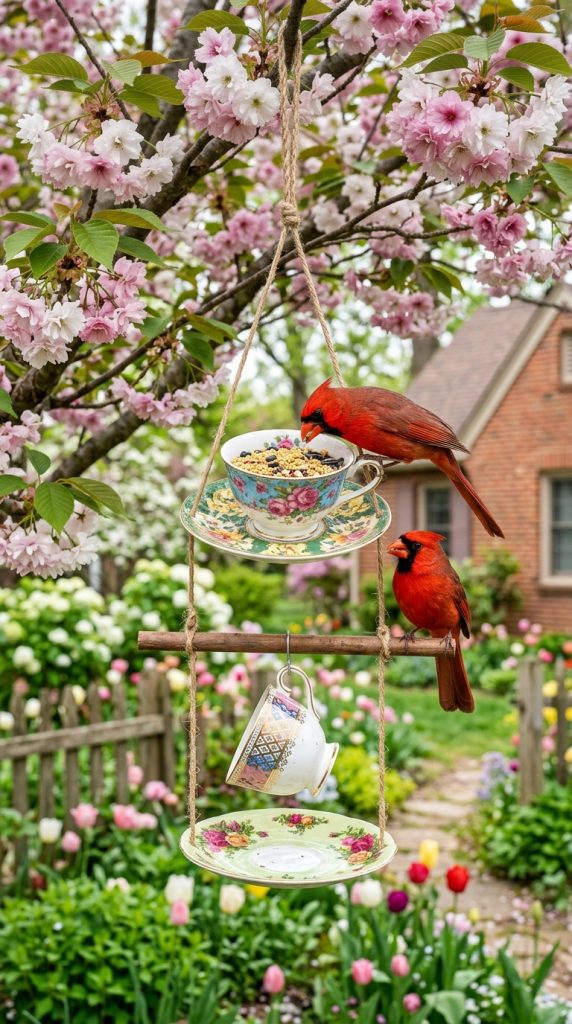
Idea 9: Teacup Feeder with Decorative Perch
Setup Method
Adding a small wooden dowel or natural twig beneath the teacup creates a convenient perch that encourages birds to land comfortably before feeding. Secure the perch using weather-resistant adhesive or carefully drilled attachment points while ensuring it supports the weight of small birds safely. Position the perch slightly below the saucer to provide easy access without blocking the feeding surface. Natural branches blend seamlessly into rustic gardens, while smooth wooden dowels complement cleaner landscape styles. Test the feeder’s balance before hanging to ensure the added perch does not shift its center of gravity. This thoughtful modification improves functionality while maintaining the attractive appearance of the overall design. The result is a practical bird feeder that combines organization, comfort, and aesthetic appeal.
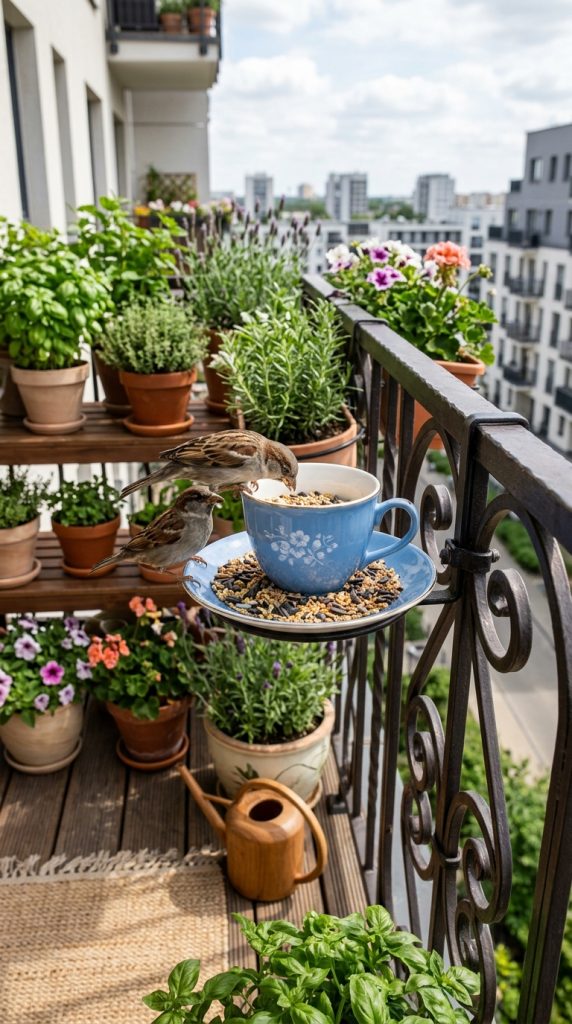
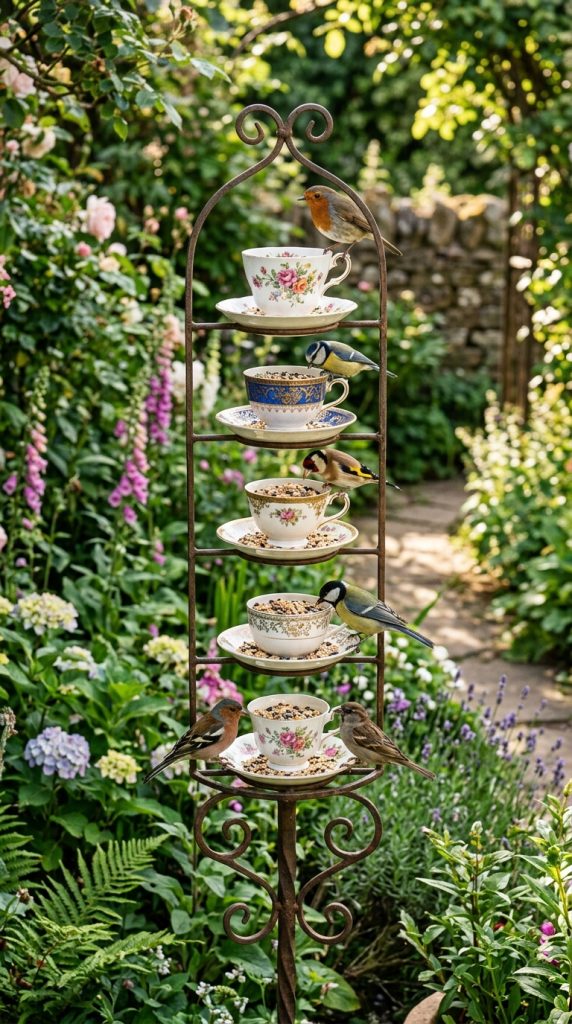
Idea 10: Tiered Tea Cup Garden Display
Execution Process
Construct a decorative vertical arrangement using several teacups and saucers positioned at different heights on a sturdy metal rod or wooden pole. Designate one teacup as the primary bird feeder while using the remaining cups for flowers, decorative stones, or small garden ornaments to create a coordinated display. Space each level evenly to maintain balance and allow birds unobstructed access to the feeding station. Secure every component carefully using weather-resistant materials capable of withstanding outdoor conditions. Place the finished display in a flower bed, near a garden path, or beside a seating area where its layered design becomes an attractive focal point. This creative project combines organization, decoration, and wildlife support into one cohesive landscape feature that reflects thoughtful planning and artistic inspiration.
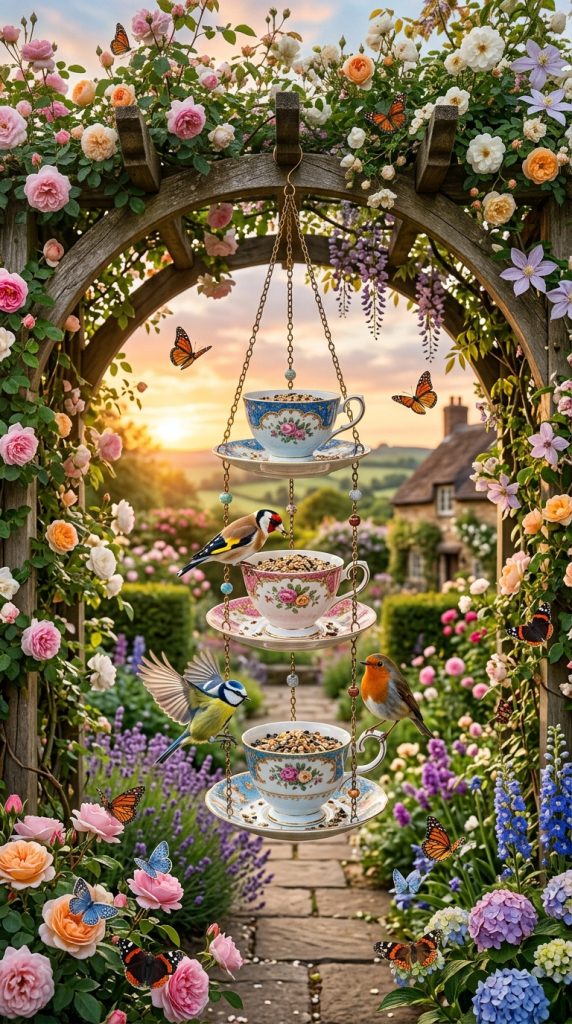
Common Beginner Mistakes and How to Avoid Them
One of the most common mistakes is using indoor glue that cannot withstand rain, temperature changes, or prolonged outdoor exposure. Always choose waterproof adhesives designed specifically for exterior conditions. Another frequent issue is hanging the feeder in exposed areas where strong wind causes excessive movement, making birds uncomfortable while feeding. Position feeders near natural shelter while maintaining clear visibility. Beginners may also overfill the feeder, causing seed to spill and attract unwanted pests. Regular cleaning is equally important because damp seed can develop mold that discourages birds from returning. Finally, avoid placing feeders too close to busy walkways or areas frequently visited by pets. Careful planning, proper materials, and routine maintenance significantly improve both the longevity of the feeder and the safety of visiting birds.
Practical Tips for Better Results
Select quality ceramic pieces without cracks to improve durability and reduce the risk of breakage during assembly. Test every hanging connection before filling the feeder to confirm it remains balanced under weight. Refresh birdseed regularly instead of allowing old seed to accumulate, especially after rainy weather. Clean the feeder with warm water and allow it to dry completely before refilling. Rotate hanging locations occasionally if birds seem hesitant to visit, as nearby shelter or reduced human activity can increase comfort. Observe which types of seed attract local bird species and adjust feeding choices accordingly. Consistent maintenance keeps the feeder looking attractive while encouraging repeated visits from birds. Careful attention to these practical details helps transform a simple DIY project into a reliable and long-lasting garden feature.
Styling, Presentation, or Organization Ideas
Coordinate the bird feeder with surrounding outdoor decorations to create a unified garden design. Floral teacups pair beautifully with cottage gardens, while plain porcelain complements minimalist landscapes and modern patios. Hanging several feeders at varying heights introduces depth and visual movement without overcrowding the space. Decorative shepherd hooks, flowering containers, and natural stone pathways further enhance the presentation while maintaining practical accessibility for cleaning and refilling. Keep surrounding vegetation neatly trimmed so the feeder remains visible without exposing birds to unnecessary risk. Matching nearby planters or garden ornaments with the feeder’s colors creates an organized appearance that feels intentional rather than random. These styling techniques help transform functional wildlife accessories into decorative focal points that blend naturally with outdoor home decor.
Budget or Time Planning
Tea cup bird feeders are among the most affordable handmade outdoor projects because many of the required materials can be sourced from existing household items or secondhand collections. Reusing old teacups and saucers significantly reduces costs while supporting sustainable DIY practices. Most designs require only basic supplies such as waterproof adhesive, rope, chain, and birdseed, making them accessible for beginners working within a modest budget. Individual projects generally take one to three hours to assemble, although adhesive curing time should be included before hanging the feeder outdoors. Planning all materials in advance minimizes delays and prevents unnecessary purchases. Creating multiple feeders at the same time can also improve efficiency by allowing shared preparation, cleaning, and assembly steps across several creative projects.
Creative Expansion and Advanced Inspiration
Once comfortable with basic tea cup bird feeders, experiment with more advanced designs that incorporate layered displays, decorative stands, mosaic artwork, or coordinated seasonal themes. Create matching garden accessories such as teapot planters, ceramic flower markers, or decorative candle holders using similar vintage china to establish a cohesive outdoor aesthetic. Larger gardens may benefit from several coordinated feeding stations positioned throughout the landscape to attract a greater variety of bird species while creating visual interest from different viewpoints. Explore different color palettes, hanging methods, and handcrafted details that complement changing seasons or landscape renovations. Combining thoughtful planning with creative inspiration allows every project to become increasingly personalized while maintaining functionality. These advanced ideas encourage continued learning and provide endless opportunities for developing unique handmade garden decorations that remain both beautiful and practical.